

What Should You Do About a Broken Bracket or Poking Wire?

An orthodontist helps a child with a cleft lip and palate by guiding how the teeth and upper jaw grow, before and after each surgery. Craniofacial orthodontics covers the non-surgical side of that care, from widening the palate to straightening teeth with braces.
Our Fort Wayne, IN orthodontists work alongside your child's surgeons and speech therapist for years, not just one visit.
Here's what parents can expect at each stage.
Why a Cleft Affects the Teeth and Jaw
A cleft can reach past the lip and palate into the bony gum ridge that holds the upper teeth. According to the Cleveland Clinic, children with clefts are prone to .
A gap in that ridge can tip or rotate permanent teeth, or keep them from coming in at all. The upper jaw may also be narrow, which affects how the teeth meet.
Who Is on Your Child's Cleft Team
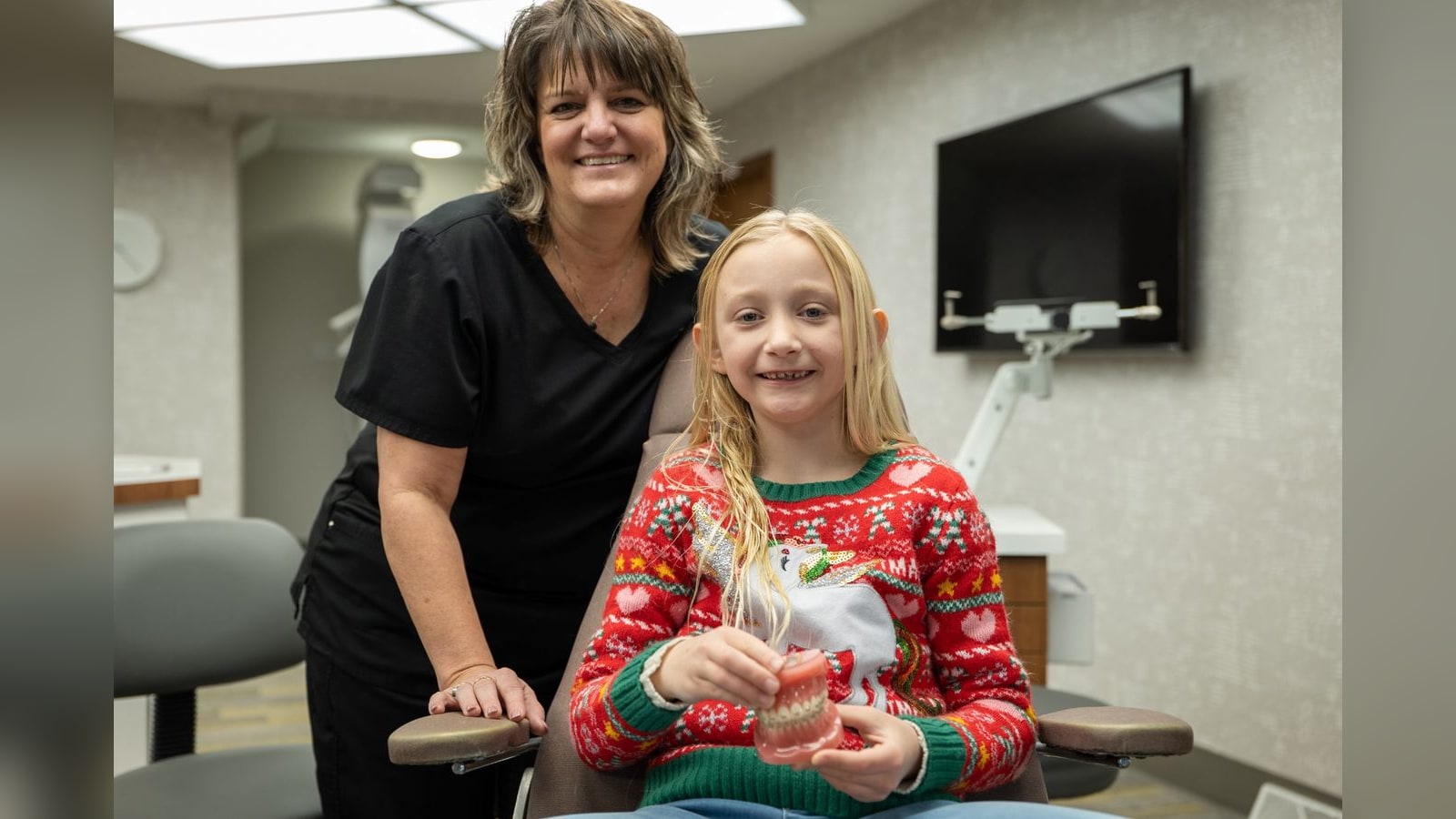
Cleft care is a team effort. The National Institute of Dental and Craniofacial Research lists surgeons, speech pathologists, pediatric dentists and .
At Parrish Orthodontics, we handle the non-surgical movement of your child's jaws and teeth. We also track tooth and jaw development before and after each surgery, so the rest of the team knows what the bite needs.
When Orthodontic Care Usually Starts
Most children have their lip and palate repaired in the first year or two of life. Orthodontic care usually picks up once the permanent teeth start to arrive.
The Cleveland Clinic notes that most children with a cleft palate need palatal expansion around age 6 or 7. That timing lines up with Phase 1 orthodontic treatment, which uses a child's natural growth to shape the jaws.
Expanders and Bone Grafts
A palatal expander slowly widens a narrow upper jaw. It's one of the dentofacial orthopedics tools our doctors use to guide a growing child's jaw.
Children whose cleft runs through the gum line often need a bone graft between ages 6 and 10. The graft fills in the gap so the gum ridge can support permanent teeth and steady the upper jaw.
Braces After the Permanent Teeth Come In
Once all the permanent teeth are in, metal braces or another option can straighten them. This stage often closes spaces left by missing teeth or makes room for a future bridge.
Not sure when to book that first exam? This guide on when your child should see an orthodontist can help.
When Jaw Surgery Is Part of the Plan
Some children with a cleft need jaw surgery to straighten and steady the jaw once they finish growing. In that case, braces prepare the teeth for surgical orthodontics, and an oral surgeon moves the jaw into place.
The jaw usually stops growing around age 18 for females and 20 for males, so this step comes last. You can read more about correcting jaw alignment with orthodontics.
What Parents Can Do at Home
Clean, healthy teeth make every stage go more smoothly. Brush with a small, soft toothbrush as soon as teeth appear, and keep up regular visits with your child's dentist.
Bring your questions to each orthodontic visit. You can also view all of our orthodontic treatments to see what each stage might involve.
Frequently Asked Questions
How long does orthodontic care last for a child with a cleft?
Care often runs from early childhood into the late teens, with breaks between active stages. Treatment for a cleft usually starts in infancy and can continue into early adulthood.
The Cleveland Clinic notes that each child's plan depends on the type of cleft, how the teeth come in and whether jaw surgery is needed later.
Why are children with clefts more likely to get cavities?
Teeth near a cleft are often crowded, tipped or oddly shaped, which makes them harder to clean. Food and plaque can collect in spots a toothbrush has trouble reaching.
The Cleveland Clinic suggests a small, soft-bristled toothbrush and, if that isn't enough, swabbing the teeth with a soft sponge that a dentist recommends. Parrish Orthodontics also asks every patient to keep seeing their dentist for cleanings.
Is the first exam at Parrish Orthodontics free?
Yes, Parrish Orthodontics offers a free initial exam for new patients. At this visit, an orthodontist checks your child's teeth and jaws and explains what stage of care makes sense next.
You can call the office nearest you or use the online form to schedule it.
Will insurance help pay for cleft-related orthodontic care?
Parrish Orthodontics accepts most major insurance plans, and the office staff will help you sort out your benefits and file claims. Coverage for cleft-related care differs from plan to plan, so ask your insurer what applies.
The practice also offers a discount for paying in full, payment plans and financing through CareCredit for families who want to spread out costs.
Which Parrish Orthodontics offices can see my child?
Your child can be seen at any Parrish Orthodontics office, including four locations in Fort Wayne, IN. There are also offices in Huntington, Churubusco, Bluffton and Goshen, IN, plus Van Wert and Paulding, OH.
Choosing the office closest to home makes the many follow-up visits of cleft care easier to fit into school and family schedules.
Schedule a Visit for Your Child
If your child was born with a cleft lip or palate, our Fort Wayne, IN orthodontists are ready to help plan the next step. Call the Parrish Orthodontics office nearest you or request an appointment online.