


Invisalign® for Crowded Teeth

How Often to Wear Invisalign®
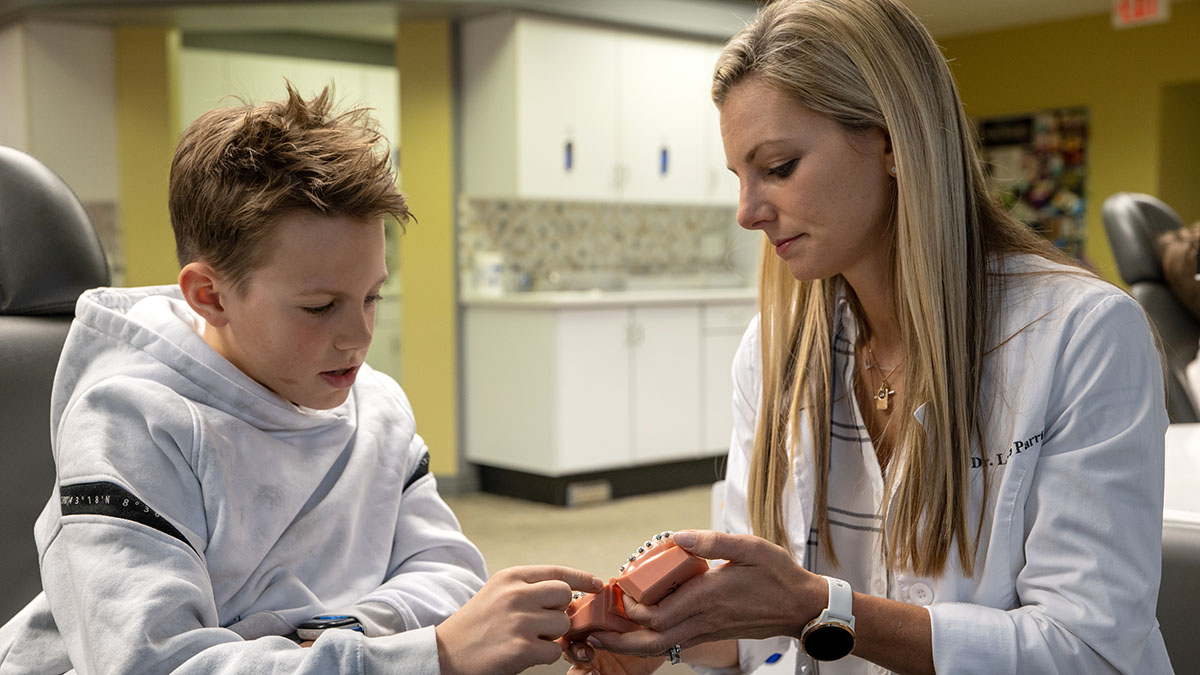
Starting orthodontic treatment brings up a long list of questions, and for student musicians one comes up again and again: what happens to my playing? If you are in band, orchestra, or you simply love your instrument, the good news is that braces and music go together well. Our Fort Wayne, IN, orthodontists and surrounding areas treat plenty of musicians every year.
Dental braces do change how your lips and teeth feel against a mouthpiece at first. With a short adjustment period and a few simple habits, most players sound like themselves again before long.
Choosing traditional metal braces or clear ceramic braces does not mean putting your music on hold. It may just mean a couple of small changes to how you practice.
Here's what you need to know about .
Yes, You Can Play Instruments With Braces
You can keep playing almost any instrument after you get braces, and the everyday advantages of metal braces still apply while you do. Brackets and wires sit on the front of your teeth, so the biggest adjustments affect instruments that press against your lips.
The first week or two is usually the hardest. Your mouth is getting used to new hardware, and your embouchure, the way you shape your lips around a mouthpiece, may feel different for a while.
Most musicians adapt within a few weeks of steady practice. If comfort is a top concern, ask our local orthodontists whether Invisalign® clear aligners might fit your treatment plan, since they can be removed for a big performance.
How Braces Affect Different Instruments
Not every instrument reacts the same way. Some barely notice ceramic or metal braces at all, while others take a little more patience.
- Brass players (trumpet, trombone, French horn) may find high notes harder at first, since these instruments press firmly against the teeth and lips.
- Woodwind players (clarinet, saxophone, oboe) often adjust faster, because the reed rests more gently against the mouth.
- Flute players tend to adapt quickly, since the flute does not push directly on the teeth.
- String, keyboard, and percussion players usually feel no difference at all.
If you play a wind instrument, mention it before treatment starts, whether you wear metal or ceramic braces. Our orthodontists can walk through what to expect and help you plan around important recitals, concerts, or auditions.
Tips for Musicians With Braces
A few small steps make the transition much smoother, from easing soreness to keeping your teeth clean with braces. Keeping orthodontic wax within reach is the single most helpful habit for wind and brass players.
- Smooth wax over any bracket that rubs your lips, which is one way wax can ease irritation during long practice sessions.
- Break practice into shorter blocks so your lips do not get sore.
- Use a slightly lighter embouchure until your mouth settles in.
- Stay on top of the recommended so you protect your brackets between rehearsals.
Soreness after getting braces adjusted is normal and passes quickly. Over-the-counter pain relievers and a gentle warm-up can help you get back to playing after each visit. Patience is the real secret. Give yourself a little grace during those first few weeks, and your sound will come back.
Schedule a Consultation
Music and braces work together just fine, and a bit of planning goes a long way. If you or your child plays an instrument and is considering treatment, the orthodontists in Fort Wayne, IN, at Parrish Orthodontics are happy to help you prepare. Call Parrish Orthodontics at (260) 447-2568 or request an appointment online to get started.